The maths, in plain terms
Below is the strict measure: income after platform commission, calculated on the total invested, works included.
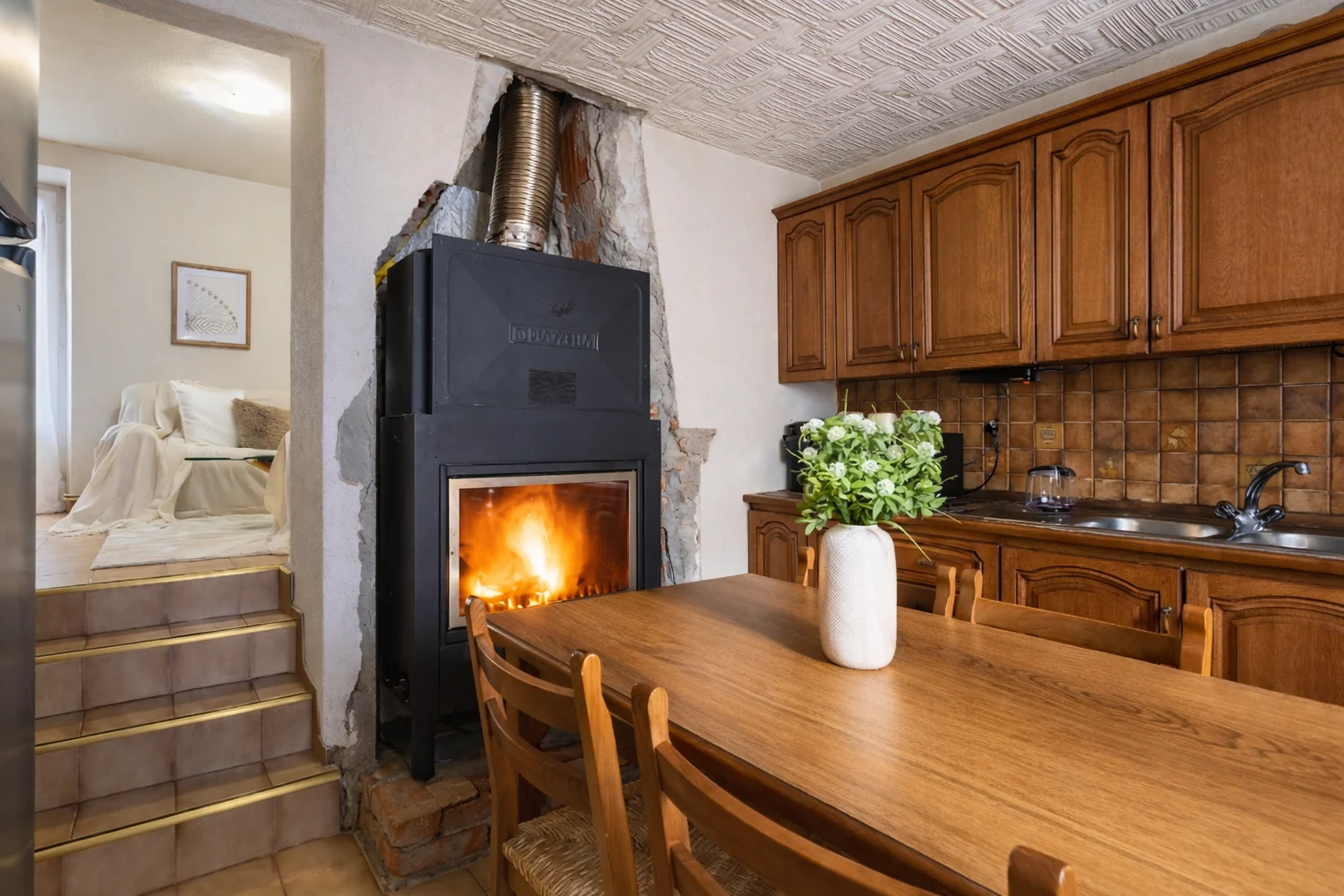
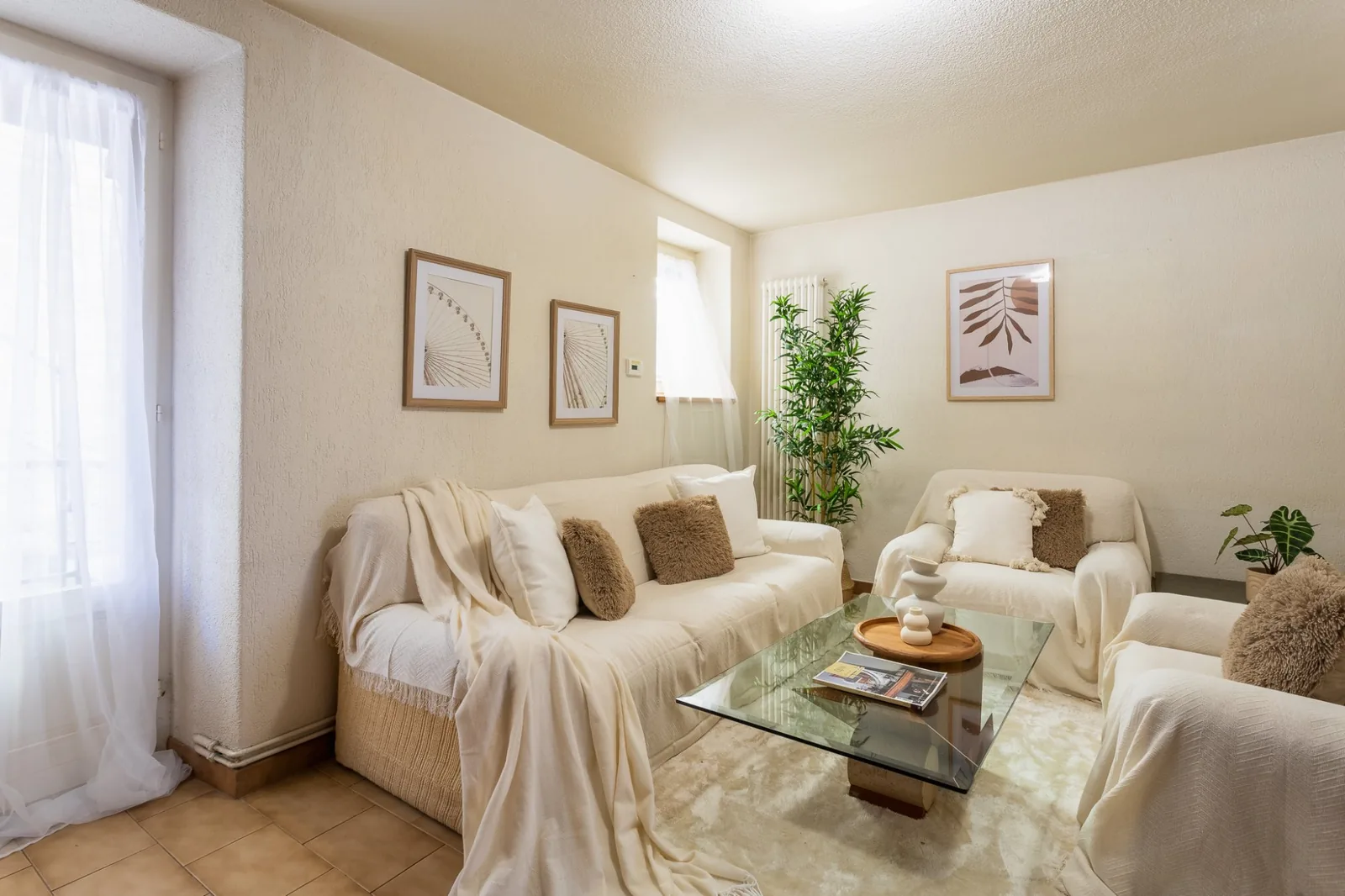
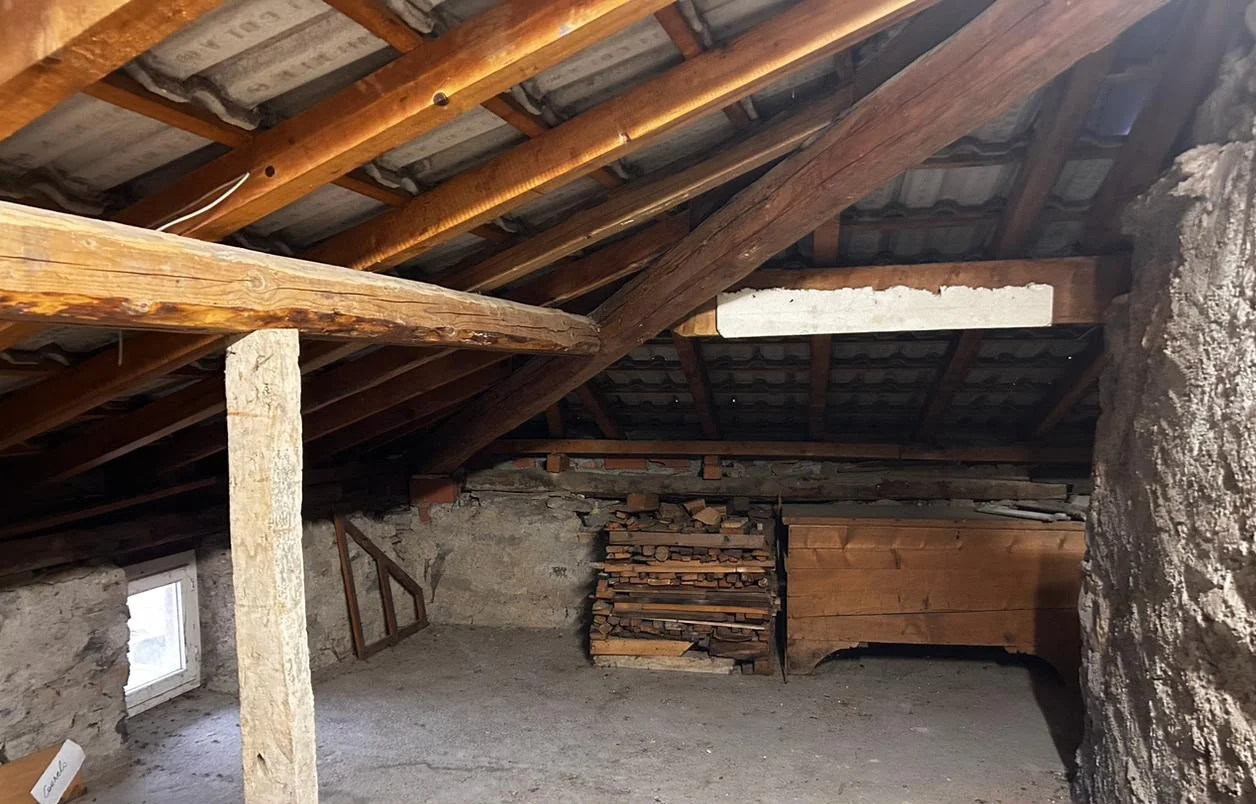
Renting it as it is today · no works
€ 18,800after platform commission / year, renting as-is
→
7.4 yearsand the property has paid for itself
→
yoursfrom there on, the income is yours — every year
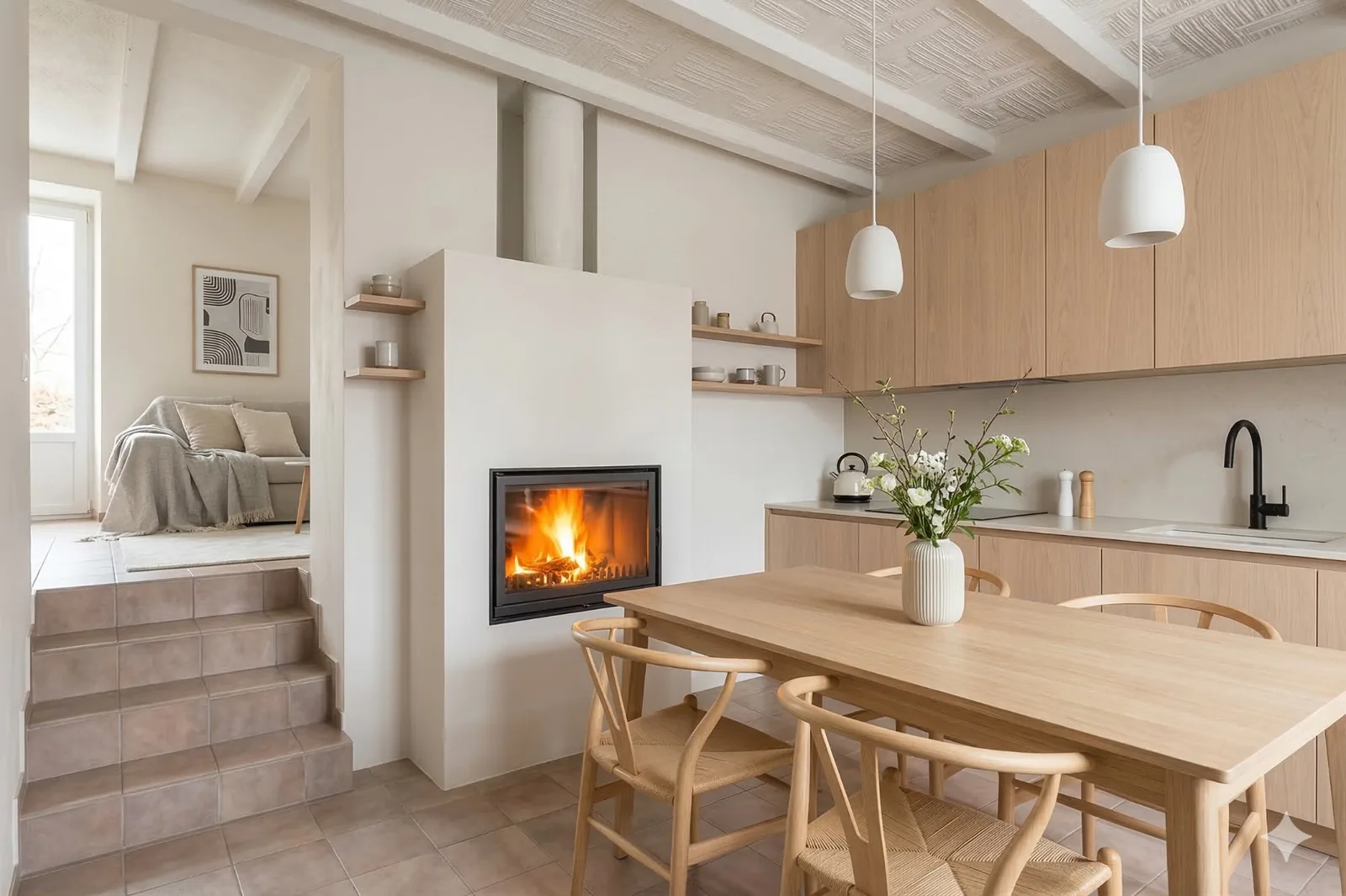
Renovated · + € 70,000 · the same level as Scenario A
€ 30,800after platform commission / year · with € 70,000 of full works, no balcony
→
6.8 yearsto pay back price and works together
→
+ € 12,000more income after commission, every single year
From as it is, to fully renovated
You buy and rent it as it is. You put in € 140,000 · you take € 22,125 gross · € 18,800 after platform commission · you get it all back in 7.4 years.
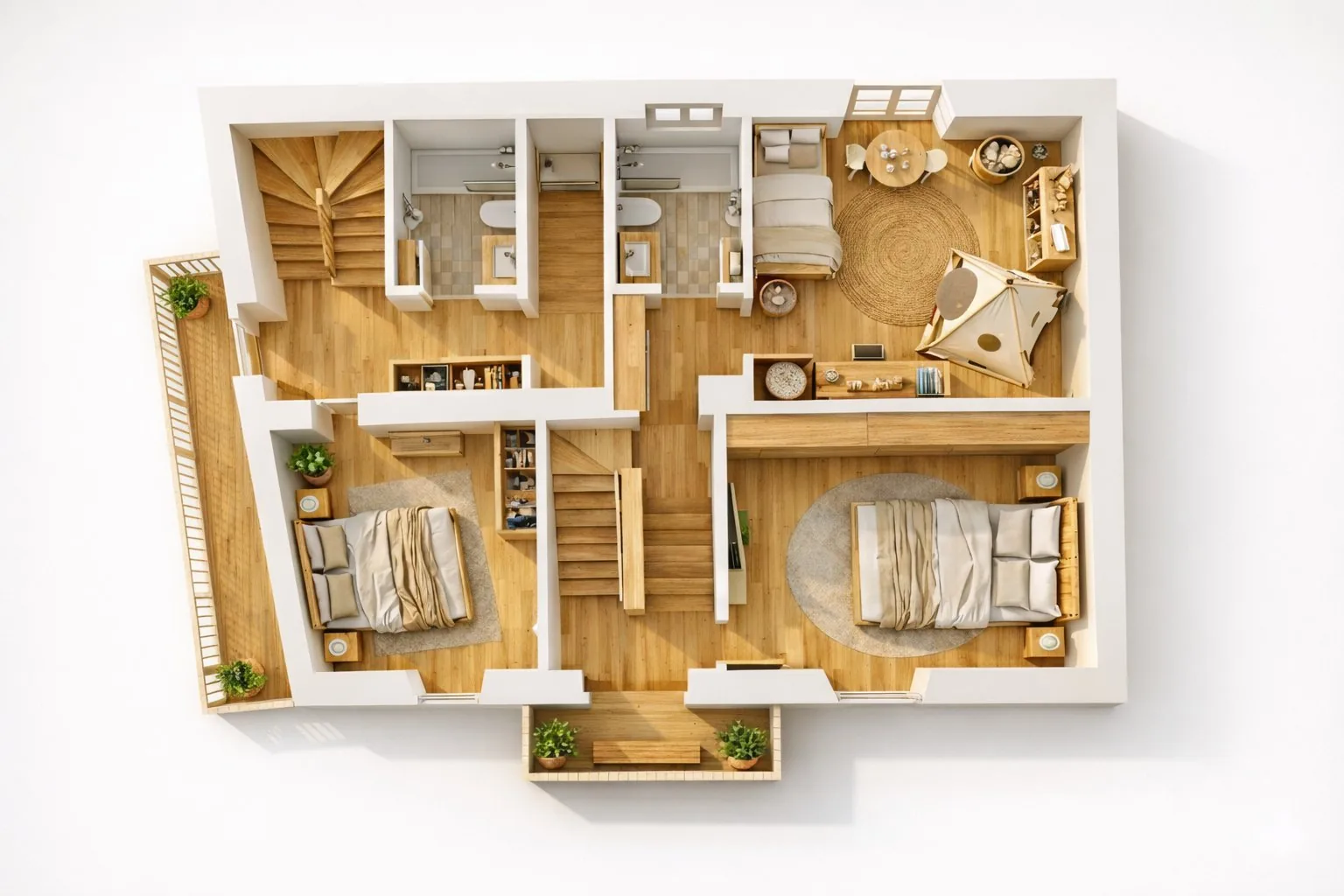
You renovate everything and add the balcony. You put in € 240,000 in total · you take € 45,000 gross · € 38,250 after platform commission · you get it all back in 6.3 years.
Put in € 100,000 more and the yearly income doubles. The payback doesn't get longer — it gets shorter. That is the whole point: here renovation is leverage, not a cost.
The whole scale starts from € 177 a night, below every comparable in the area — on purpose. Where that number comes from: see the three sources ↓
Net figures are before the buyer's own income tax. In Italy this is a single property on the land registry, so the flat 21% short-let tax applies to the gross — one registration code, one rate, and below the three-property threshold that would trigger a VAT number.
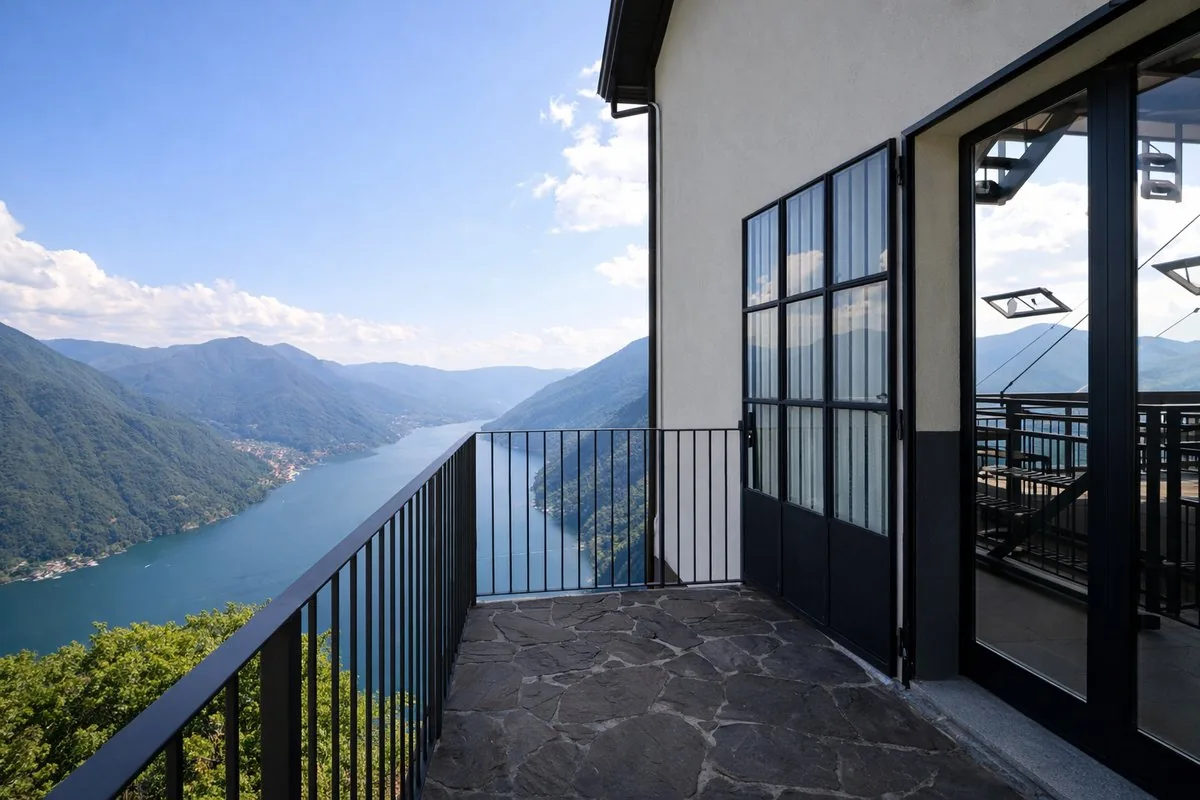
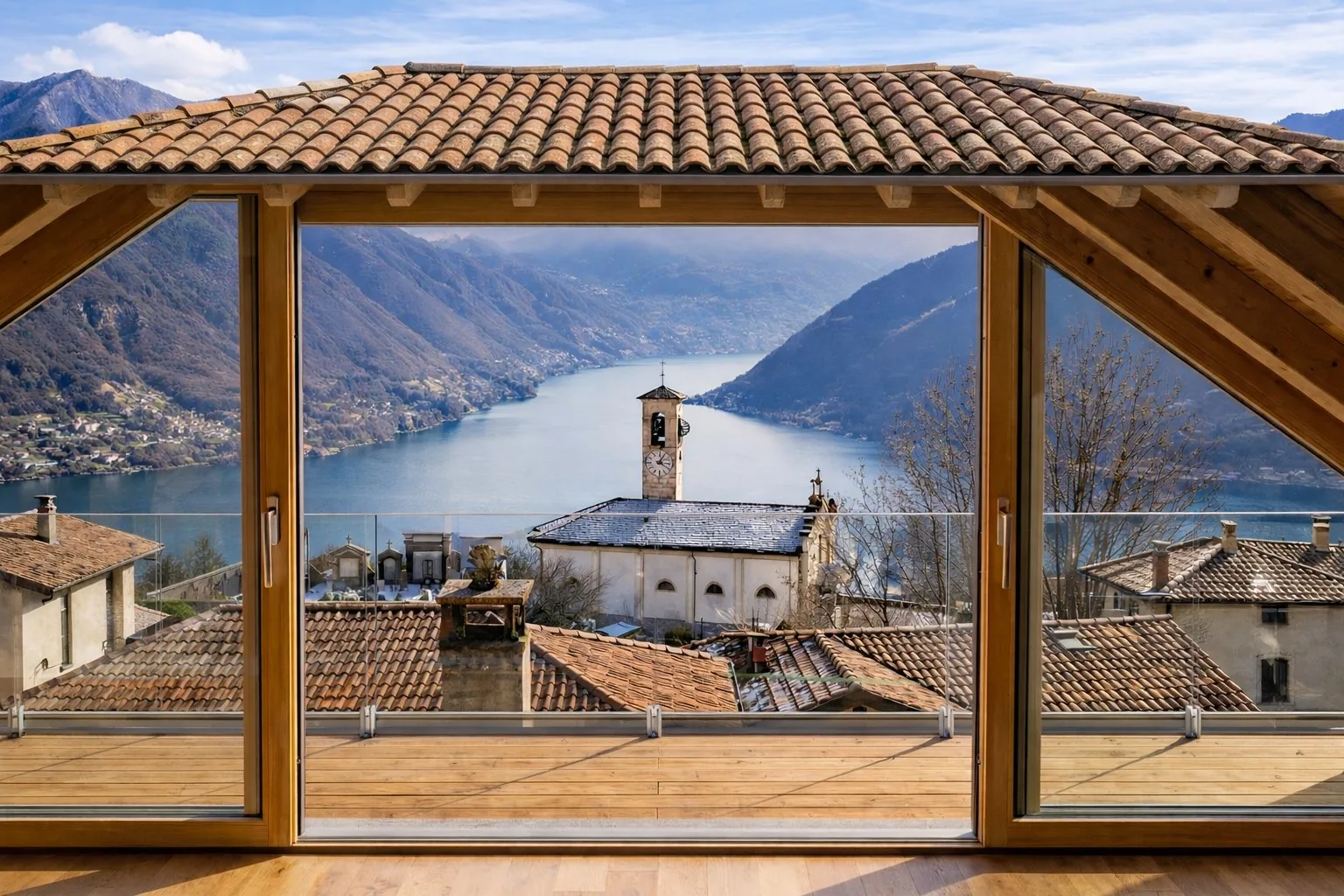
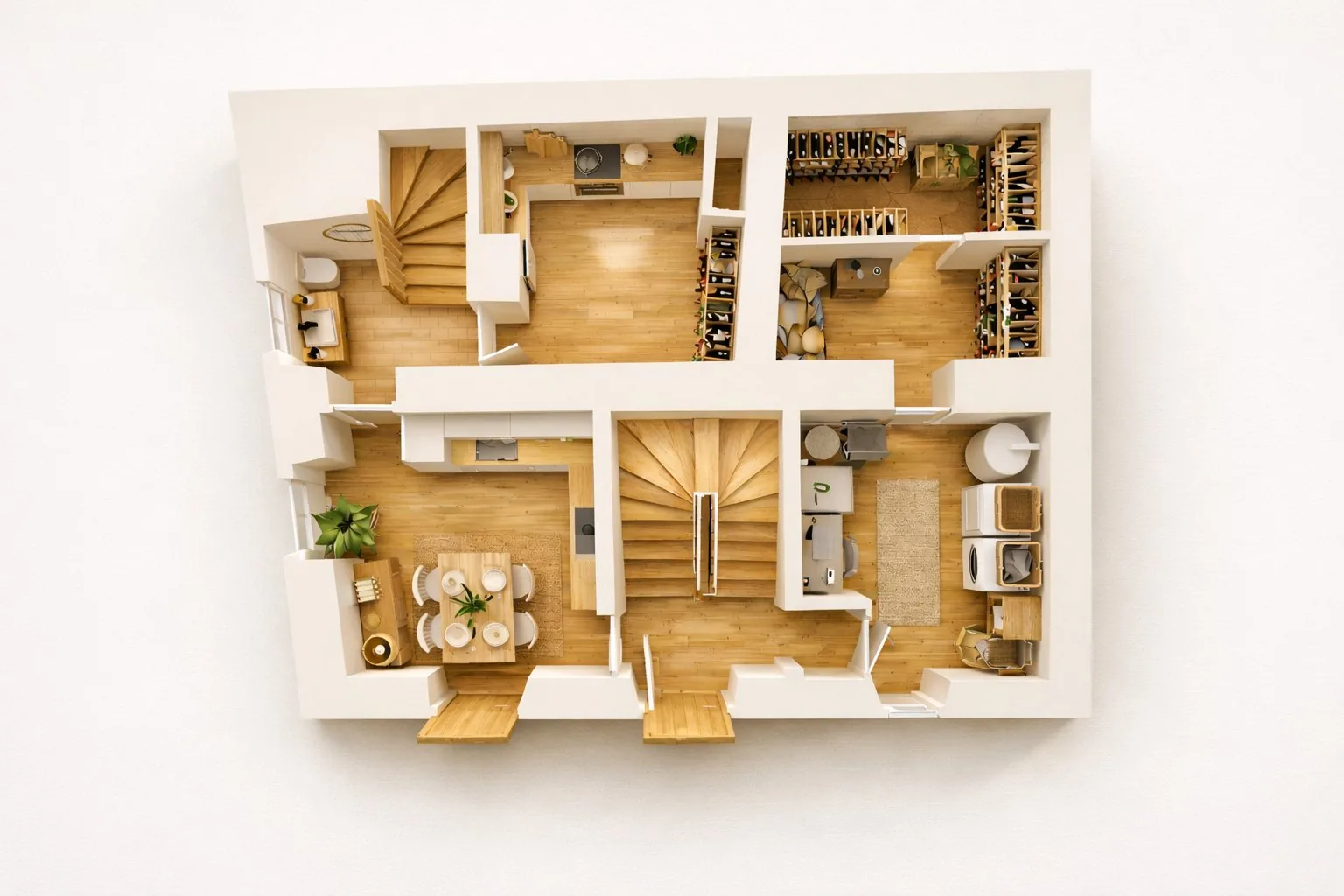
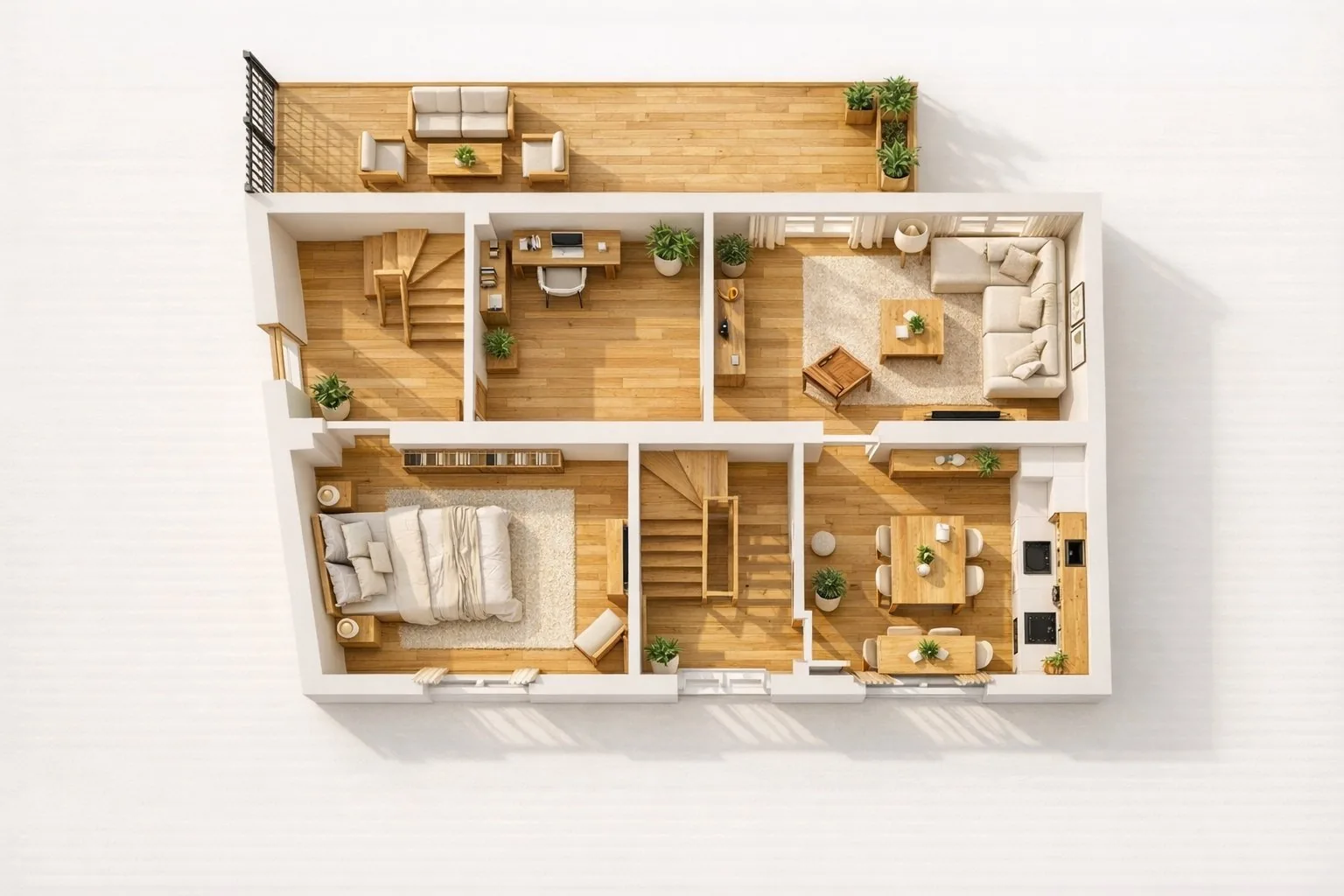
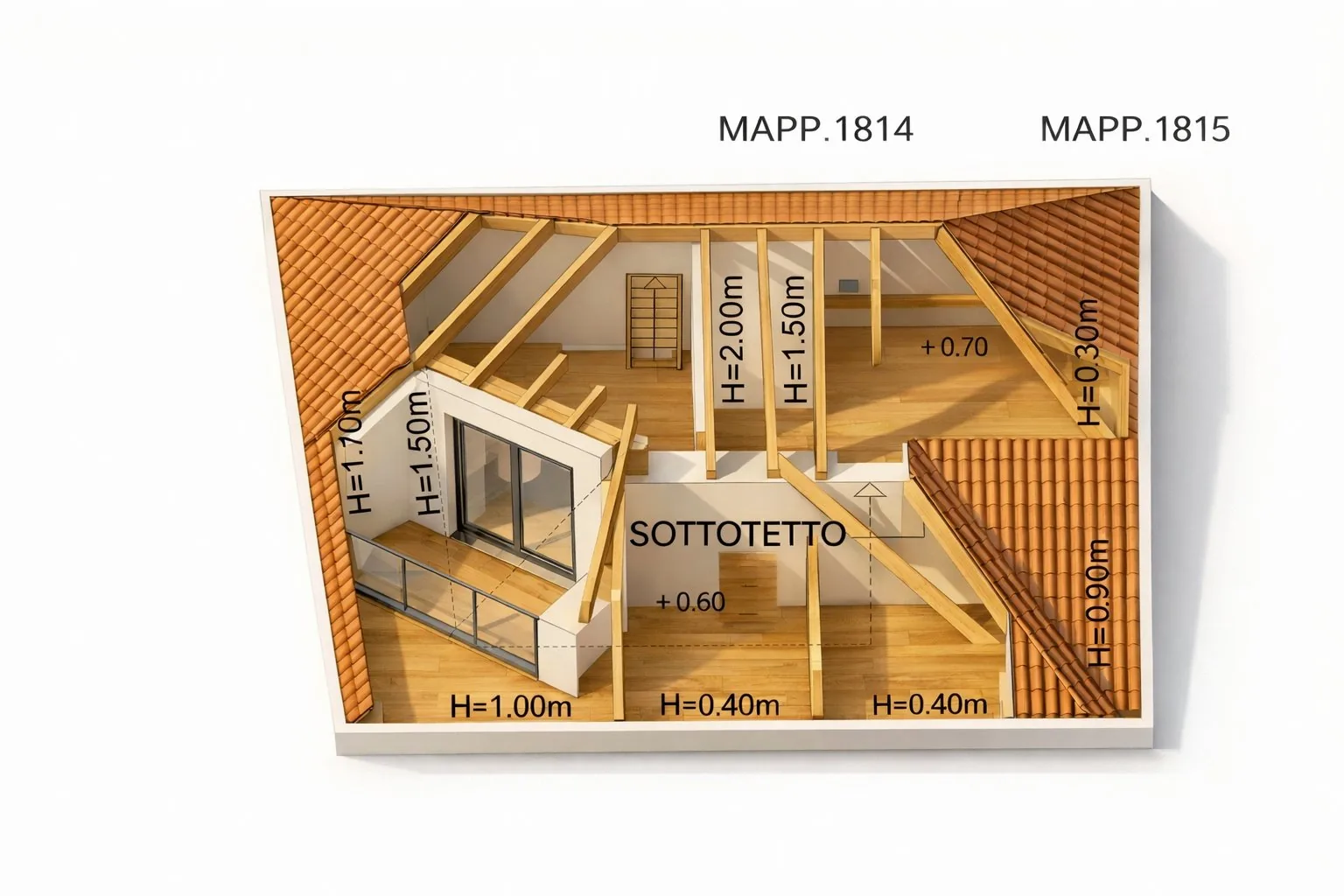
Scenario A, whole house, € 250 a night once renovated. Between the two lines above sit five renovation levels: the one shown here is € 70,000 of full works. At the top level — full works plus the lake-view balcony, € 100,000 — the gross reaches € 45,000 — € 38,250 net — and the payback drops to 6.3 years. All five levels are in the Investor Package. The terrace stays within the footprint of the property in zone GL3, which allows it; the design is in preparation with the surveyor, then the landscape authorisation process.